%2Ffit-in%2F250x250%2Fguide_websites%2F81721%2Fimages%2F1770316241054wayfound_logowtree.png&w=1920&q=100)
Freshwater Drum Caught on Fishing Charter in Rochester NY
Freshwater Drum Fishing in Rochester - What to Expect
%2F%2Fusers%2F0075269a-96d6-45a5-9b58-93cda72b46df%2Fimages%2Frochester-ny-freshwater-drum-catch-2732.jpg&w=1920&q=75)
Fishing Charter by Captain Jared Jones in May

- Moments Of Connection With Nature And Each Other


Summary
Join Captain Jared Jones of Wayfound Outdoors on a Tuesday in May for an exciting fishing charter in Rochester, NY. This guided fishing trip targets freshwater drum, a species that challenges anglers with strong runs and intelligent behavior in local waters. Learn effective techniques and discover why Rochester's freshwater fishery attracts experienced and beginner anglers alike.
Fishing Charter with Captain Jared Jones - Rates & Booking
Captain Jared Jones of Wayfound Outdoors guided a fishing charter on Tuesday, May 6th in Rochester, NY. To inquire about rates, group sizes, included gear, and available dates for your own fishing experience, contact Wayfound Outdoors directly to reserve your spot.
Highlights of Your Freshwater Drum Fishing Charter
Freshwater drum fishing in Rochester offers an engaging challenge for anglers seeking a species that combines strength with tactical difficulty. These fish test your patience and technique, requiring proper rod sensitivity and understanding of their feeding patterns. The local waters around Rochester provide ideal habitat for pursuing drum, and a guided approach maximizes your chances of success.
Fishing with an experienced guide means learning proven methods specific to local conditions. Captain Jared's expertise in Rochester's fishery helps anglers understand where drum congregate, what baits and presentations work best, and how to read water conditions that indicate active feeding periods.
Local Species Insights: Freshwater Drum
The freshwater drum is a robust and powerful fish species found throughout Rochester's waterways. These bottom-feeders possess a specialized pharyngeal tooth structure used to crush hard-shelled prey like crayfish, mollusks, and snails. Understanding this feeding behavior explains why certain baits and fishing techniques prove most effective.
Drum inhabit areas with moderate to strong current, rocky substrates, and deeper pools where they can hunt comfortably. They rely on their lateral line system to detect vibrations and movement in the water, making them responsive to baits presented near the bottom. During spring periods like May, drum become increasingly active as water temperatures rise and food availability increases.
These fish are known for their determined runs and head-shaking resistance once hooked. They grow to substantial sizes and can provide extended fighting experiences that reward both beginning and advanced anglers. The freshwater drum's presence in Rochester waters makes this location attractive for anglers specifically targeting this species.
Successful drum fishing requires patience and persistence. Lines must remain tight to detect the initial subtle take, and hook sets need sufficient force to penetrate their hard mouths. Once hooked, maintaining steady pressure while allowing the fish room to run prevents break-offs. Many anglers find the technical demands of freshwater drum fishing more rewarding than the size of individual fish.
The local Rochester fishery supports a healthy drum population, making chartered trips productive year-round. Spring and early summer months bring particularly active feeding as fish prepare for spawning and recover from winter conditions. Professional guides like Captain Jared understand these seasonal patterns and adjust tactics accordingly.
Fishing in Rochester: Freshwater Drum
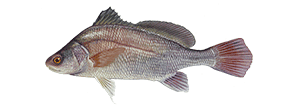
Freshwater Drum Overview
The Freshwater Drum (Aplodinotus grunniens) is a fascinating and prolific gamefish belonging to the family Sciaenidae and order Perciformes. This carnivorous species is native to freshwaters across North America and has earned numerous colorful nicknames—including croaker, thunder pumper, grunter, grinder, and bubbler—all derived from the distinctive grunting and rumbling sounds the males produce during spawning season. With its striking silver scales and bluish-grey overcast, combined with a prominently arched back and white belly, the Freshwater Drum is one of the most abundant and recognizable freshwater fish in the country. What makes this species truly special is not just its appearance, but its quirky behavior and the cultural significance it holds; Native Americans have traditionally worn the fish's large, ivory-like ear bone—sometimes called a "Lucky Stone"—as jewelry. Whether you're an angler seeking an easy and rewarding catch or simply curious about North American freshwater ecosystems, the Freshwater Drum offers an engaging and memorable experience.
Freshwater Drum Habitat and Distribution
The Freshwater Drum enjoys a widespread distribution across virtually every major lake and river system throughout the United States, making it exceptionally easy to encounter this species regardless of your location. From the Mississippi River basin to the Great Lakes and countless smaller waterways, these fish have established thriving populations in both cold and warm freshwater environments. They are known bottom feeders, spending the majority of their time swimming along the substrate searching for food. They show a distinct preference for clear, shallow waters with modest aquatic vegetation, where they can easily locate their preferred prey. While drum populations peak during the summer months when water temperatures are warm and feeding activity is at its highest, you can successfully catch these fish year-round, even during winter months when most anglers assume fishing activity should be minimal. The species' remarkable adaptability and reproductive success—driven by their random spawning behavior where eggs are swept miles away by water currents—has ensured their presence in lakes, rivers, and connected waterways across the breadth of the continent.
Freshwater Drum Size and Weight
Mature Freshwater Drums typically average between twelve to fourteen inches in length and weigh somewhere in the range of one to eight pounds under normal conditions. However, these fish possess genuine potential for significantly larger specimens. The average size range for quality catches falls between twelve and thirty-seven inches in length, with weights spanning from five to fifty-four pounds. The largest Freshwater Drum ever caught on record was an impressive specimen measuring more than two feet in length and weighing approximately fifty-four pounds—a trophy-class fish taken by angler Benny Hull way back in 1972 from Nijack Lake, Tennessee. An interesting biological note is that females of the species consistently grow larger than males, meaning that record-breaking catches are typically female fish. Despite their impressive potential size, Freshwater Drums are generally considered fairly quick swimmers, though this attribute matters little since they rank among the easiest freshwater fish to catch—some anglers have documented more than fifty successful catches in a single fishing session.
Freshwater Drum Diet and Behavior
As strict carnivores, Freshwater Drums have developed a specialized diet and foraging strategy perfectly suited to their bottom-dwelling lifestyle. Their primary food sources include snails and small clams, which they crush using their remarkably large, molar-like teeth—a feature that clearly distinguishes them from many other freshwater gamefish. Beyond mollusks, they eagerly consume crayfish, smaller fish species, and various aquatic insects, making them opportunistic feeders that will accept a wide variety of prey items. Their bottom-feeding behavior means they spend virtually their entire lives searching along the lake and river floor for food, creating predictable patterns that anglers can exploit. In terms of predation, Freshwater Drums face threats from larger fish species such as smallmouth bass and walleye, which is why some savvy anglers actually use drum as live bait for pursuing these larger predators. The species displays a relatively docile temperament and isn't particularly known for putting up an aggressive fight once hooked, making it an ideal target for novice anglers or families looking for a rewarding and low-stress fishing experience. Their behavior is largely driven by feeding opportunities and seasonal reproductive cycles, with activity levels typically escalating during warmer months when aquatic prey is most abundant.
Freshwater Drum Spawning and Seasonal Activity
The spawning season for Freshwater Drums occurs during the spring months, typically in April or May when water temperatures begin to warm and trigger reproductive instincts. During this period, both males and females release their eggs and sperm directly into open water where fertilization occurs randomly in the water column. This broadcast spawning strategy, while seemingly chaotic, has proven extraordinarily successful for the species; the fertilized eggs are subsequently transported by water currents over considerable distances, sometimes traveling miles and miles before eventually settling and hatching in new lakes, rivers, and connected waterways. This dispersal mechanism explains the species' remarkably wide and continuous distribution across North America—essentially, the fish have engineered their own continental expansion strategy. One of the most distinctive aspects of this spawning behavior is the grunting or rumbling sound produced by mature males, which they generate by contracting specialized muscles along the walls of their air bladder. While the exact biological purpose of this vocalization remains somewhat mysterious, it is clearly linked to the reproductive process and has earned the species its numerous colloquial names. Summer represents the season of peak population activity, when both feeding and reproduction are at their height, making it the optimal time for angler engagement. However, because these fish are distributed so widely and are so abundant, productive fishing can occur during any season, including winter months when many other freshwater species become less active.
Freshwater Drum Techniques for Observation and Capture
Method 1: Bottom Fishing with Natural Baits
Since Freshwater Drums are dedicated bottom feeders, the most straightforward and effective technique is simple bottom fishing using natural bait presentations. A basic six and a half to seven and a half foot medium or medium-heavy power spinning or casting rod paired with a medium-capacity spinning or baitcasting reel provides all the equipment you need. Spool your reel with ten to twenty pound test monofilament line—these fish don't require heavy tackle, and lighter line actually improves your catch rates by making your presentations more natural and your bait movements more realistic. The most effective natural baits include crayfish tails, night crawlers, and cut bait prepared from other fish species. Simply cast your bait toward the bottom in areas where you've observed drum activity or where you suspect them to congregate, then wait patiently. The passive nature of this approach makes it accessible to anglers of all skill levels.
Method 2: Night Fishing and Low-Light Periods
Freshwater Drums exhibit increased feeding activity during dawn, dusk, and nighttime hours when light levels drop and their competitors are less active. Position yourself along clear shallow waters or near areas with modest aquatic vegetation—the drum's preferred habitat—during these low-light windows. Night fishing can be exceptionally productive, particularly during the warmer months when air temperatures remain comfortable. Many successful anglers specifically target these time periods, knowing that drum feeding intensity reaches its peak when visibility is reduced. Bring appropriate lighting for safety, and be patient; these fishing sessions often yield multiple catches throughout the night.
Method 3: Location-Specific Targeting and Local Knowledge
Around major river systems and lake networks throughout the country, local fishing guides and bait shops can provide invaluable information about current hot spots where drum populations are densest. In regions like the Mississippi River basin or near the Great Lakes, certain specific locations consistently produce excellent results. Focus on finding transitions between different water depths, areas with rocky substrate where mollusks congregate, and deeper channels where drum retreat during midday heat. Freshwater Drums are predictable in their behavior once you understand that they're simply searching for food sources—finding where the snails and crayfish are most abundant effectively tells you where the drum will be.
Freshwater Drum Culinary and Utilization Notes
The Freshwater Drum presents average food quality for consumption and is not typically regarded as a premier table fish, though some regional preparations and recipes have enthusiasts. The flesh is described as having a mild flavor profile with a somewhat mushy or soft texture that doesn't appeal to all palates. Many anglers practice catch-and-release with drum, particularly when pursuing other species, though in some regions drum are prepared and eaten with moderate satisfaction. The fish's more significant cultural and practical value lies in its role as bait for larger predatory fish species—its presence in a waterway indicates a healthy, productive ecosystem supporting abundant forage. Additionally, the traditional use of the fish's large otolith (ear bone) as the aforementioned "Lucky Stone" by Native Americans represents an important utilization beyond conventional angling. From a sustainability perspective, Freshwater Drums' remarkable abundance and prolific reproduction make them an excellent candidate for harvest fishing without conservation concerns; their explosive population growth and wide distribution mean that even significant angling pressure has minimal impact on overall population health.
Freshwater Drum Frequently Asked Questions
Q: What is the best bait for catching Freshwater Drum?
A: Natural baits consistently outperform artificial offerings for this species. Crayfish tails, night crawlers, and cut bait from other fish are highly effective. The key is presenting your bait on or very near the bottom where drum spend most of their time foraging. Fresh, lively baits that create natural movement patterns attract more strikes than static presentations.
Q: Why do male Freshwater Drums make grunting sounds?
A: Male drum produce these distinctive grunting and rumbling sounds by contracting muscles along their air bladder walls, and this behavior is directly linked to the spawning process. The exact biological purpose—whether communication, mate attraction, or territory assertion—remains not completely understood by fisheries scientists, but the phenomenon is so pronounced that it has generated multiple regional common names for the species.
Q: Are Freshwater Drums good to eat?
A: Food quality is considered average by most standards. The flesh has a mild flavor but soft, mushy texture that doesn't appeal universally. Many anglers prefer to use drum as bait for larger predatory fish rather than consuming them directly. However, in certain regional preparations and when properly prepared, some anglers find them acceptable as food. More valuable is their role in indicating ecosystem health and serving as forage for larger game fish.
Q: When is the best time to catch Freshwater Drum?
A: While drum are catchable year-round, your success rates will be highest during summer months when population activity and feeding intensity peak due to warm water temperatures. Additionally, dawn, dusk, and nighttime hours consistently produce better results than midday periods. Spring spawning season in April and May also produces good activity levels when males are vocalizing and both sexes are concentrated in spawning areas.
Q: How difficult is it to catch a Freshwater Drum?
A: Freshwater Drums rank among the easiest freshwater fish to catch, making them excellent targets for beginning anglers or family fishing outings. Their bottom-feeding behavior is predictable, they readily accept natural baits, and they don't typically put up aggressive resistance once hooked. Some experienced anglers have documented more than fifty successful catches in a single fishing session, underscoring their accessibility and abundance.
Q: Where can I find Freshwater Drum fishing opportunities?
A: Freshwater Drums are distributed across virtually every major lake and river system throughout North America, making them accessible from almost any location. The Mississippi River basin, Great Lakes region, and countless connecting waterways all support healthy populations. Local bait and tackle shops can provide current information about the most productive specific locations in your area. Clear, shallow waters with modest aquatic vegetation represent their preferred habitat, so focus your search in these areas.