%2Ffit-in%2F250x250%2Fguide_websites%2F81721%2Fimages%2F1770316241054wayfound_logowtree.png&w=1200&q=100)
/users/0075269a-96d6-45a5-9b58-93cda72b46df/ratecard/gemini_generated_image_lpgafmlpgafmlpga-mkrlsfhn.png)
%2F300x300%2Fusers%2F0075269a-96d6-45a5-9b58-93cda72b46df%2Fratecard%2Fgemini_generated_image_lpgafmlpgafmlpga-mkrlsfhn.png&w=256&q=75)
%2F300x300%2Fusers%2F0075269a-96d6-45a5-9b58-93cda72b46df%2Fimages%2Ffishing-rochester-3185.jpeg&w=256&q=75)
%2F300x300%2Fusers%2F0075269a-96d6-45a5-9b58-93cda72b46df%2Fimages%2Fangler-fishing-rochester-3030.jpeg&w=256&q=75)
%2F300x300%2Fusers%2F0075269a-96d6-45a5-9b58-93cda72b46df%2Fimages%2Fanglers-rochester-fishing-3536.jpeg&w=256&q=75)
%2F300x300%2Fusers%2F0075269a-96d6-45a5-9b58-93cda72b46df%2Fimages%2Fgreat-fishing-rochester-2864.jpeg&w=256&q=75)
%2F300x300%2Fusers%2F0075269a-96d6-45a5-9b58-93cda72b46df%2Fimages%2Ffishing-triumph-rochester-3230.jpeg&w=256&q=75)
%2F300x300%2Fusers%2F0075269a-96d6-45a5-9b58-93cda72b46df%2Fimages%2Fbrook-trout-fishing-ny-3048.jpeg&w=256&q=75)
%2F300x300%2Fusers%2F0075269a-96d6-45a5-9b58-93cda72b46df%2Fimages%2Ffishing-rochester-3110.jpeg&w=256&q=75)
%2F300x300%2Fusers%2F0075269a-96d6-45a5-9b58-93cda72b46df%2Fimages%2Frainbow-trout-fishing-rochester-3539.jpeg&w=256&q=75)
%2F300x300%2Fusers%2F0075269a-96d6-45a5-9b58-93cda72b46df%2Fimages%2Fanglers-land-rainbow-trout-ny-2578.jpeg&w=256&q=75)
%2F300x300%2Fusers%2F0075269a-96d6-45a5-9b58-93cda72b46df%2Fimages%2Fbest-fishing-trip-rochester-3465.jpeg&w=256&q=75)
Rochester Ice Fishing Guide Wayfound Outdoors
 Rochester, NY
What you will be catching:
 American Yellow Perch
 Largemouth Bass
 Northern Pike
 Pike-Perch
 Walleye
Trip Pricing and Availabilities:
Trip pricing information is temporarily unavailable.
Full Day Rochester NY Ice Fishing for Multiple Species
Picture this: it's February 28th at 8 AM, and you're stepping onto the frozen waters of Rochester with your son, ready for an 8-hour ice fishing adventure that'll have you both talking for years. This isn't just any fishing trip – it's a specialized father-son experience targeting some of the Finger Lakes region's most sought-after winter fish. For $200 per person, you're getting access to prime ice fishing spots where Yellow Perch, Walleye, and Northern Pike are actively feeding beneath the ice. With professional guidance, all gear included, and even an on-ice cookout, this trip delivers everything you need for a successful day on the hard water. Just remember to grab your fishing licenses beforehand – we'll handle everything else.
What to Expect on the Ice
When you arrive that crisp February morning, you'll find all your ice fishing equipment laid out and ready to go. We're talking tip-ups, jigging rods, augers for drilling holes, and portable shelters to keep you comfortable when the wind picks up. The beauty of this trip is that it accommodates all skill levels – whether you've been ice fishing for decades or you've never dropped a line through frozen water, our guides will get you dialed in quickly. The day kicks off with hole placement strategy, because location is everything in ice fishing. We'll move around to find where the fish are holding, and with up to 20 father-son pairs on the trip, there's always someone pulling fish through the ice. Around midday, we fire up the portable cooking setup right there on the lake for a hot meal that hits different when you're surrounded by snow and ice. The professional fish cleaning service means you'll head home with fillets ready for the dinner table.
Ice Fishing Tactics & Gear
Ice fishing is a whole different game from open water, and that's what makes it so addictive. We use a combination of tip-ups and jigging techniques to cover water efficiently. Tip-ups let you fish multiple holes at once – you set them over promising spots and wait for that flag to pop up when a fish takes your bait. Meanwhile, you're actively jigging in other holes, working small spoons, jigs tipped with minnows, or soft plastics in that erratic motion that drives winter fish crazy. The key is reading your electronics to understand what's happening below the ice. Are fish suspended? Hugging bottom? Moving through in schools? Our guides know how to interpret these signs and adjust tactics accordingly. We drill holes with gas-powered augers that cut through the ice like butter, and portable shelters keep you out of the elements when needed. The beauty of February ice fishing around Rochester is that ice conditions are typically solid and safe, giving us access to deeper water where bigger fish roam.
Target Species Breakdown
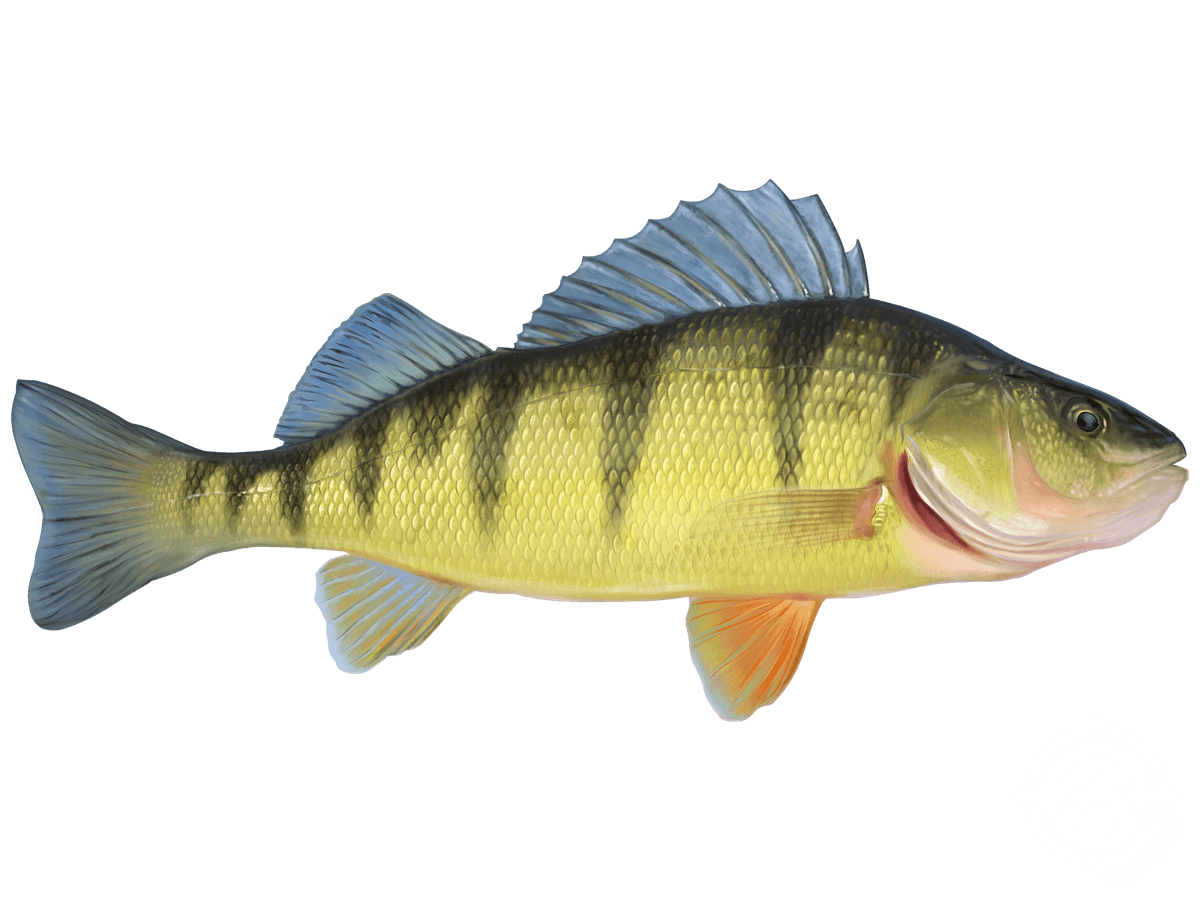
Yellow Perch are the bread and butter of Rochester ice fishing, and February is prime time to find them in good numbers. These schooling fish typically run 8-12 inches, with the occasional jumbo pushing over a foot. They're aggressive feeders in winter, often found in 15-25 feet of water over structure. What makes perch so exciting is that when you find one, there are usually more nearby. They travel in groups and compete for food, so once you dial in the pattern, you can have steady action. The bite can be subtle – just a slight tick on your line – but hook into a school and you'll be pulling them up one after another.
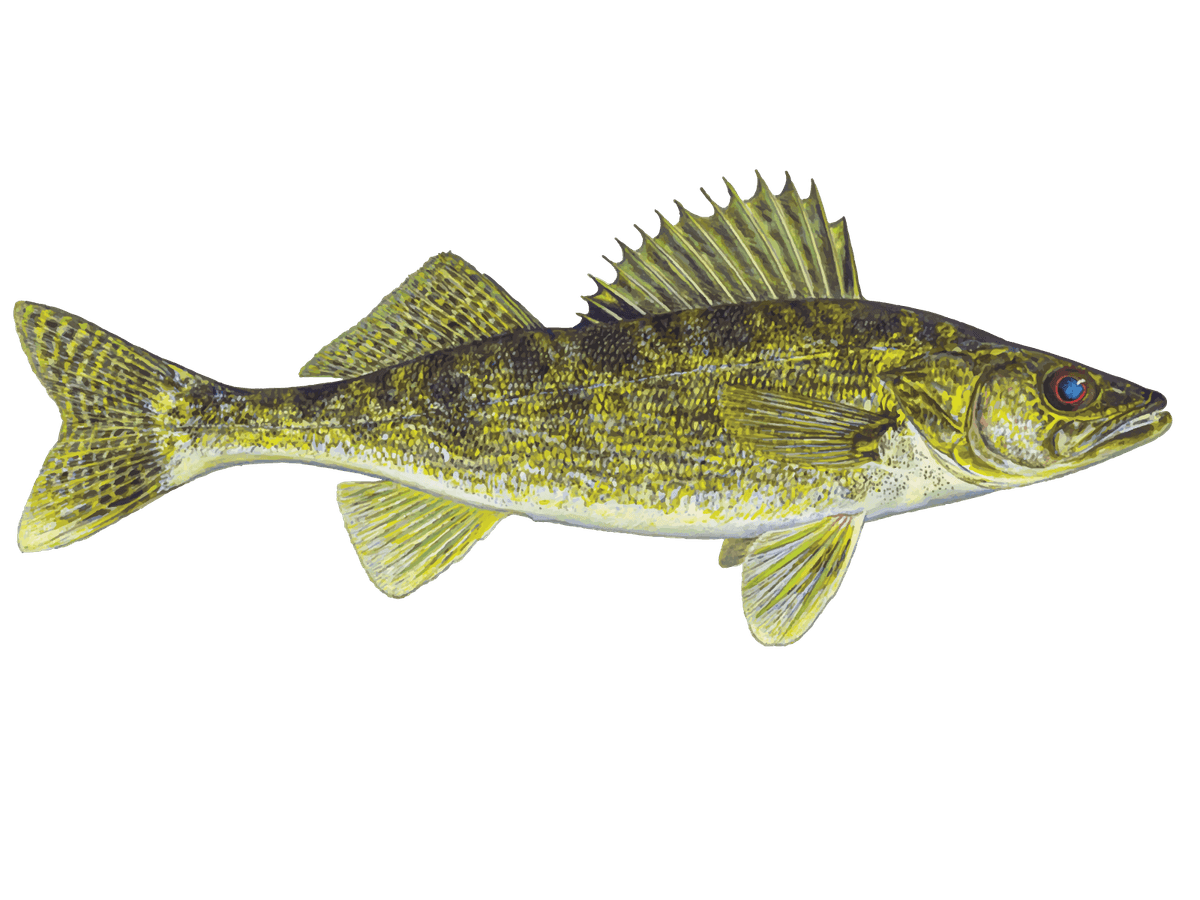
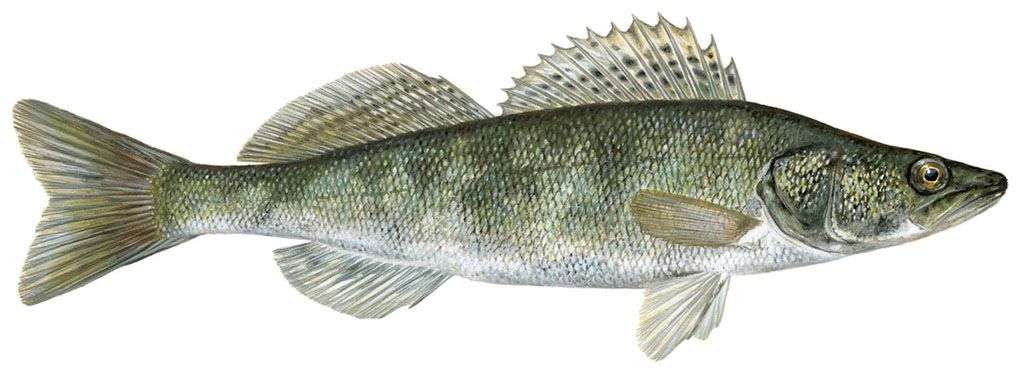
Walleye fishing through the ice is where things get really interesting. These fish are masters of the low-light periods, so early morning and late afternoon often produce the best action. Rochester's walleye typically range from 14-20 inches, with some true slabs over 24 inches lurking in the depths. They're much more finicky than perch, often requiring precise presentations and quality electronics to locate. When a walleye grabs your jig, there's no mistaking it – they hit hard and fight with powerful head shakes. The meat is incredible, making them one of the most prized catches of any ice fishing trip.
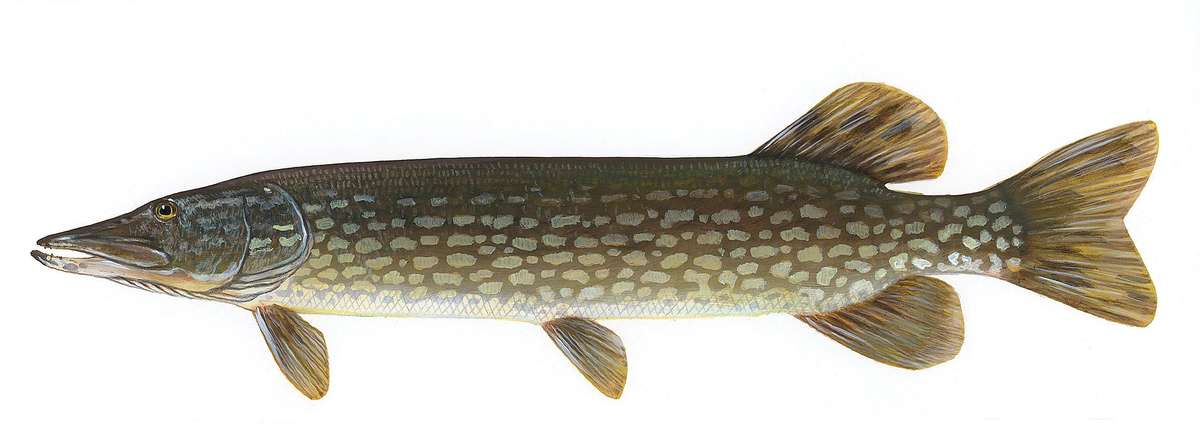
Northern Pike are the wildcards that can make your day memorable in a hurry. These toothy predators patrol the edges of weed lines and drop-offs, ambushing prey fish throughout the winter. Rochester pike commonly run 24-30 inches, but fish over 35 inches are always possible. They're aggressive hunters that will absolutely crush a tip-up bait, sending that flag flying and getting your heart racing as you run across the ice. The fight is explosive – pike are known for their acrobatic jumps and powerful runs that test your drag system. Just make sure to bring pliers for unhooking these toothy customers!
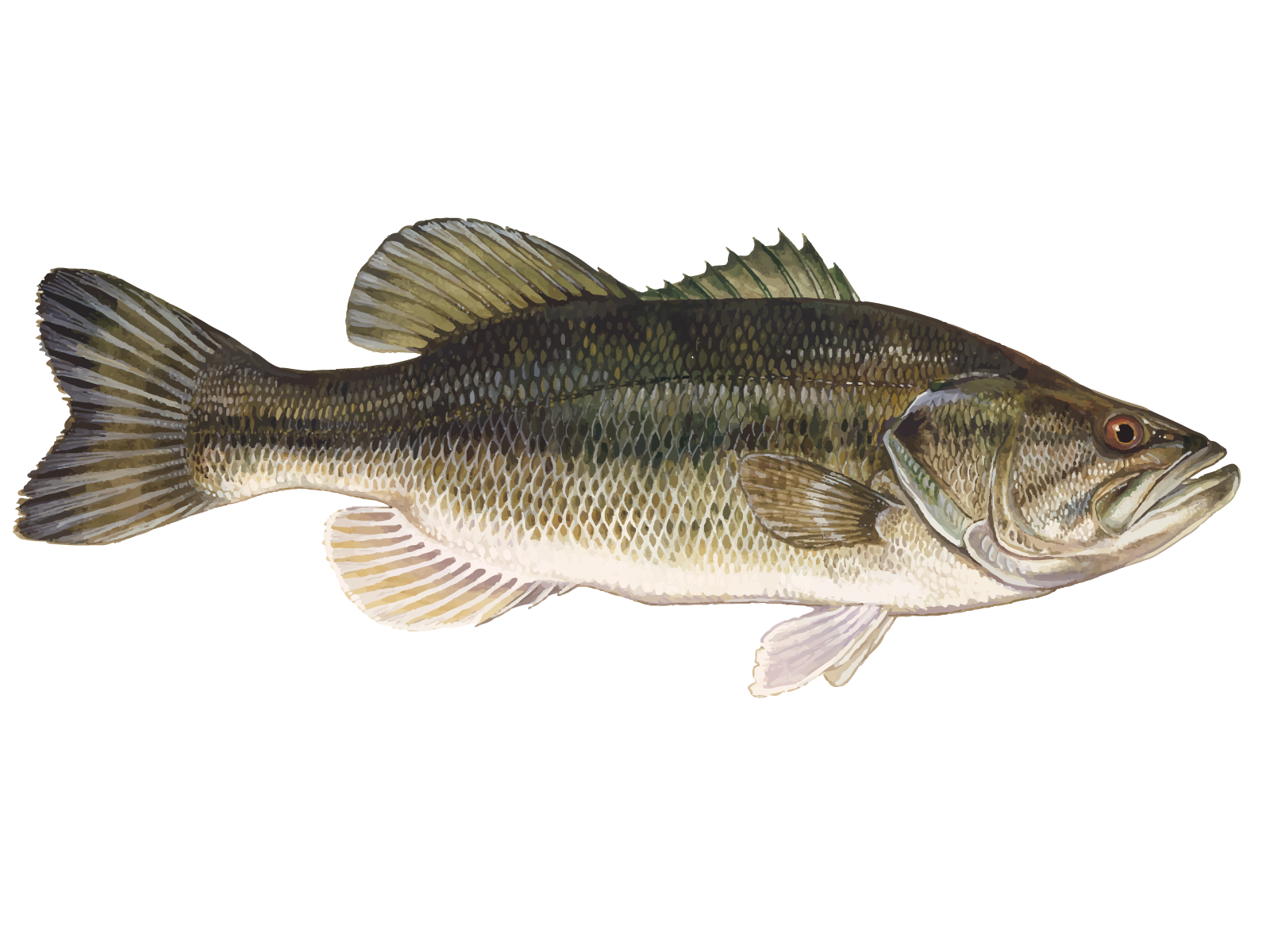
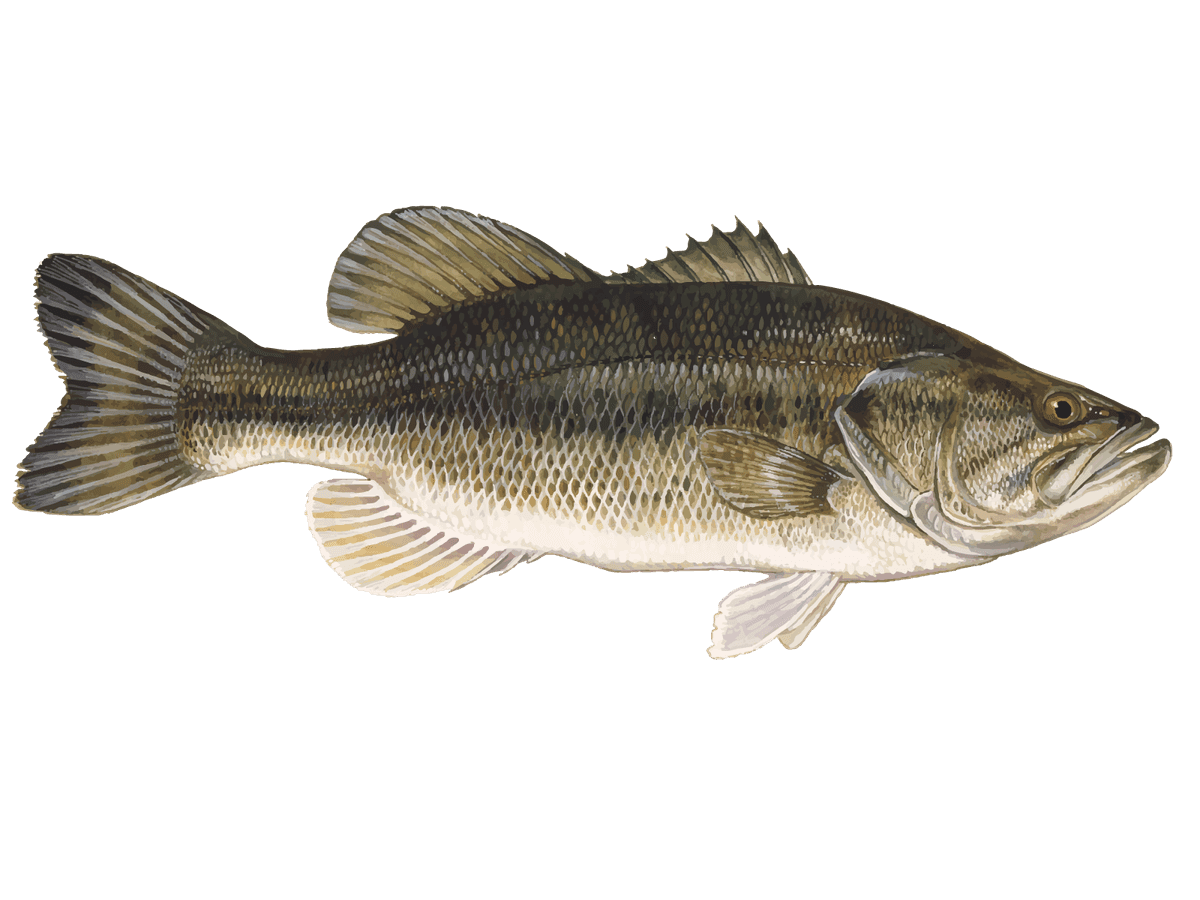
Largemouth Bass might seem like an odd target for ice fishing, but Rochester's lakes hold some quality fish that stay active in winter. They're typically found in deeper water adjacent to their summer haunts, often 20-30 feet down. Winter bass are methodical feeders that require patience and finesse, but landing a 3-4 pound largemouth through the ice is something special. They fight differently in cold water – more of a steady, powerful pull than their summer acrobatics.
Time to Book Your Spot
This father-son ice fishing adventure fills up fast, especially for prime February dates when ice conditions are perfect and fish are cooperating. At $200 per person with everything included except licenses, you're getting incredible value for a full day of guided fishing, gear, food, and professional fish cleaning. The two-person minimum makes it perfect for father-son teams, but the real magic happens when multiple families are out there together, sharing stories and celebrating each other's catches. Ice fishing creates bonds that last a lifetime, and there's something about the shared challenge of winter fishing that brings people together. Don't wait too long to secure your spot – February 28th will be here before you know it, and you don't want to miss out on what could be the best ice fishing day of the season.
Learn more about the animals
American Yellow Perch
Yellow perch are the perfect family fish - abundant, tasty, and willing to bite almost anything you put in front of them. These golden beauties with dark vertical bars typically run 7-10 inches, making them ideal for kids and beginners. They school up in massive groups around structure like docks, weed beds, and drop-offs, usually in 8-20 feet of water. Ice fishing is absolutely prime time for perch - they stay active all winter and are easy to locate. What makes them special is the sweet, firm white meat that's considered some of the best eating in freshwater. They're not big fighters, but when you find a school, the action can be non-stop. Pro tip: once you catch one, drop your line right back down - where there's one perch, there's usually 50 more.
Largemouth Bass
Largemouth bass are the heavyweight champions of the sunfish family, typically running 12-24 inches and 1-4 pounds around Rochester's waters. These green-bodied fighters love shallow, weedy areas with structure like fallen trees or docks during warmer months, though they head deeper when water temps drop. Spring and fall are prime times when they're most active and aggressive. What makes them special? That oversized mouth can inhale prey bigger than you'd expect, and they put up a serious fight once hooked - lots of jumps and runs that'll test your drag. The meat's decent eating when taken from clean water. Pro tip: when the water's murky, try red lures - bass seem drawn to that color more than most anglers realize.
Northern Pike
Northern pike are the wolves of our local waters - aggressive, territorial, and built for ambush. These greenish torpedo-shaped predators average 24-30 inches but can push 40+ inches, with razor-sharp teeth that'll slice through most lines. They lurk in shallow, weedy bays and drop-offs, waiting to blast anything that moves. Spring and fall are peak times when they're most active, though ice fishing can be productive too. What guests love is the explosive strike and strong fight - pure adrenaline when a big pike hammers your lure. They're not the best eating, but the thrill factor is off the charts. Use heavy braided line and steel leaders to avoid bite-offs. Local tip: when you feel that first hit, don't set the hook immediately - pike often grab prey sideways before turning to swallow it.
Pike-Perch
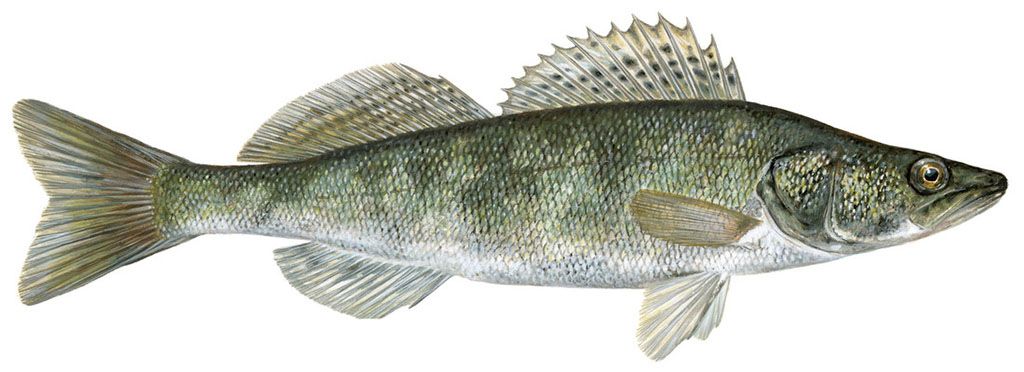
Pike-perch, or zander as Europeans call them, are the largest members of the perch family and built like underwater torpedoes. They typically run 20 inches but can push 39 inches in good water. These olive-green predators prefer murky, deeper waters where their keen senses give them an advantage over prey. Unlike their walleye cousins, they actually do better in stained water with some current. Winter fishing can be productive since they stay fairly active under ice. What makes them interesting targets is their powerful jaws and aggressive feeding - they're basically freshwater barracudas. The meat's firm and light with few bones, making them excellent table fare. Pro tip: dead or dying bait works better than lively minnows - they prefer easy meals and get spooked by overly active bait.
Walleye
Walleye are the gold standard for eating in our local waters - those big, glassy eyes aren't just for show. They use that superior vision to hunt in low light, making dawn, dusk, and overcast days your best bet. Most run 15-20 inches, though we see plenty pushing 24-28 inches during good years. They prefer deeper structure like rock piles, drop-offs, and weed edges, typically holding 10-25 feet down. Winter ice fishing is prime time since they stay active and predictable. What guests love most is the sweet, flaky white meat - it's restaurant quality. They don't fight as hard as bass, but finding them is the real challenge. Here's a local secret: during ice season, look for them suspended just off bottom over 20-foot holes near structure transitions.